
Internal Medicine for Dogs & Cats in Bethalto, IL | Bethalto Animal Clinic
Some health issues are easy to spot. Others take a little detective work.
If your dog or cat is drinking more water than usual, losing weight, experiencing digestive issues, or simply not acting like themselves, an underlying medical condition may be the cause. Internal medicine focuses on diagnosing and managing diseases that affect the body’s internal systems, helping pets live healthier and more comfortable lives.
At Bethalto Animal Clinic, our veterinary team provides personalized care for dogs and cats facing chronic or complex medical conditions. As a family-owned practice that has served Bethalto for nearly 50 years, we take a practical, thorough approach to finding answers and creating treatment plans that work for both pets and their families.
What Is Veterinary Internal Medicine?
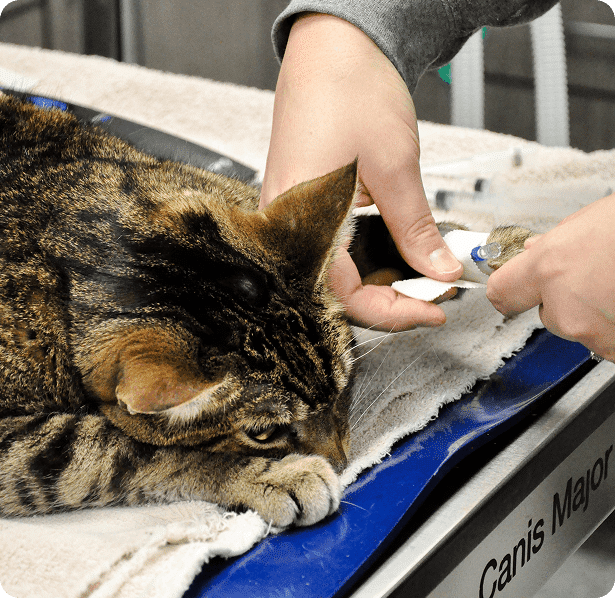
Veterinary internal medicine focuses on conditions affecting organs and body systems such as the kidneys, liver, bladder, endocrine system, and more. These cases often require advanced diagnostics, ongoing monitoring, and long-term management.
Many internal medicine conditions develop gradually, making regular wellness exams an important part of early detection.
Signs that may indicate an underlying medical condition include:
- Increased thirst or urination
- Weight loss
- Changes in appetite
- Vomiting or diarrhea
- Lethargy
- Behavioral changes
- Weakness
- Poor coat condition
- Frequent urinary accidents
If you’ve noticed any of these symptoms, our veterinary team can help determine the cause and recommend the next steps.
Internal Medicine Services at Bethalto Animal Clinic
Diabetes Management
Diabetes mellitus occurs when the body cannot properly regulate blood sugar levels. While diabetes requires lifelong management, many pets continue to enjoy a happy and active life with the right treatment plan.
Common signs of diabetes include:
- Increased thirst
- Increased urination
- Weight loss
- Increased appetite
- Low energy
Our veterinary team provides:
- Diagnostic testing
- Blood glucose monitoring
- Insulin therapy guidance
- Nutritional recommendations
- Ongoing recheck examinations
We work closely with pet owners to make diabetes management as straightforward and manageable as possible.
Bladder and Urinary Tract Disorders
Urinary conditions can be painful and frustrating for pets. Prompt diagnosis often leads to faster relief and helps prevent complications.
We evaluate and manage conditions such as:
- Urinary tract infections
- Bladder inflammation
- Urinary crystals
- Bladder stones
- Chronic urinary disease
Signs of urinary disease may include:
- Urinating more often than normal
- Difficulty or discomfort while urinating
- Blood visible in the urine
- Having accidents indoors
- Excessive licking around the genital area
If your pet is having difficulty urinating, contact us right away. In some cases, urinary problems can become emergencies.
Kidney Disease Diagnosis and Treatment
Kidney disease is commonly seen in aging dogs and cats, though it can affect pets of any age.
Because the kidneys play a major role in filtering waste and maintaining hydration, declining kidney function can affect a pet’s overall health.
Common symptoms include:
- Increased drinking
- Increased urination
- Weight loss
- Poor appetite
- Vomiting
- Fatigue
Routine blood work and urinalysis often help identify kidney disease before symptoms become severe. Early diagnosis allows for more effective long-term management and can help maintain your pet’s quality of life.
Liver Disease Evaluation and Management
The liver performs many essential functions throughout the body, including digestion, metabolism, and toxin removal.
When liver disease develops, symptoms can vary widely and may include:
- Decreased appetite
- Vomiting
- Weight loss
- Increased thirst
- Lethargy
- Jaundice (yellow discoloration of the skin, gums, or eyes)
Our veterinary team uses diagnostic testing to identify the underlying cause and develop an individualized treatment plan based on your pet’s specific needs.
Oncology Consultations
A cancer diagnosis can leave pet owners with a lot of questions. Our veterinary team helps guide families through the next steps by evaluating your pet’s condition and discussing available treatment options.
During an oncology consultation, we may discuss:
- Diagnostic findings
- Additional testing recommendations
- Treatment options
- Expected outcomes
- Quality-of-life considerations
- Referral recommendations when appropriate
Every case is different. Our goal is to provide clear information so you can make informed decisions about your pet’s care.
Diagnostic Testing for Internal Medicine Cases
Finding the root cause of a medical problem often requires more than a physical examination alone.
Depending on your pet’s symptoms, we may recommend:
- Blood testing
- Urinalysis
- Diagnostic imaging
- Ongoing laboratory monitoring
- Follow-up examinations
These tools help us gather important information about how your pet’s body is functioning and allow us to make treatment recommendations based on objective findings.
Why Choose Bethalto Animal Clinic?
Bethalto Animal Clinic has been rooted in this community for nearly 50 years. We’re an independent, family-owned practice that has cared for multiple generations of local families and their pets.
Pet owners throughout Bethalto, Wood River, East Alton, Alton, Edwardsville, Bunker Hill, Roxana, and Madison County choose us because they appreciate:
- Personalized care
- Honest recommendations
- Thoughtful treatment plans
- Long-term relationships with their veterinary team
- A high standard of care without unnecessary treatments
Many new clients find us through referrals from friends, family members, and neighbors. That trust means a lot to us, and it’s something we’ve worked hard to earn over the years.
What to Expect During Your Pet's Visit
Your appointment begins with a discussion about your pet’s medical history, symptoms, and any changes you’ve noticed at home.
Our veterinarian will perform a thorough physical examination and recommend diagnostic testing if needed. Once we have more information, we’ll review the findings with you and discuss treatment options, monitoring recommendations, and follow-up care.
Our goal is simple: identify what’s causing the problem and help your pet feel better.
Find Answers. Help Your Pet Feel Better.
When your pet isn’t feeling their best, getting answers matters. Our veterinary team is here to help identify the cause of ongoing health concerns and develop a treatment plan that supports your pet’s long-term well-being.
Whether your dog or cat has been diagnosed with a chronic condition or you’re concerned about changes in their health, we’re ready to help.
Call Bethalto Animal Clinic at (618) 377-2139 or request an appointment online today.
• FAQs
Helpful Information for Pet Owners
Frequently Asked Questions about
Internal Medicine
Why would my pet need internal medicine care?
Internal medicine helps diagnose and manage conditions affecting organs and body systems, including the kidneys, liver, bladder, and endocrine system.
What are the signs of diabetes in dogs and cats?
Common signs include increased thirst, increased urination, weight loss, increased appetite, and decreased energy.
Can kidney disease be treated?
While kidney disease is often a lifelong condition, early diagnosis and ongoing management can help pets maintain a good quality of life.
How is liver disease diagnosed?
Liver disease is typically diagnosed through a physical examination, blood work, urinalysis, and, in some cases, diagnostic imaging.
When should my pet have an oncology consultation?
An oncology consultation may be recommended if your pet has been diagnosed with cancer, has a suspicious mass, or needs additional treatment guidance.