

Dermatology & Allergy Care for Dogs and Cats in Bethalto, IL | Bethalto Animal Clinic
If your dog can’t stop scratching, your cat is overgrooming, or you’re dealing with another round of ear infections, you’re probably ready for answers. Skin and allergy problems can make pets miserable, and they can be frustrating for families trying to help them feel better.
At Bethalto Animal Clinic, our veterinary team takes the time to find the cause of the problem instead of simply treating the symptoms. Since 1976, we’ve provided compassionate, personalized care for pets throughout Bethalto and surrounding communities. As an independent, family-owned practice, we’re focused on honest recommendations, practical solutions, and helping your pet enjoy a more comfortable life.
Does Your Pet Have a Skin or Allergy Problem?
Skin conditions are one of the most common reasons dogs and cats visit our hospital. Some problems appear suddenly, while others develop over time and become recurring issues.
Signs your pet may need dermatology or allergy care include:
- Excessive scratching or itching
- Licking or chewing at paws
- Red, irritated, or inflamed skin
- Hair loss or thinning coat
- Recurring ear infections
- Hot spots
- Skin odor
- Scabs, bumps, or rashes
- Head shaking or ear scratching
- Changes in skin or coat quality
Many skin conditions look similar on the surface. An itchy dog could be dealing with environmental allergies, food sensitivities, parasites, a bacterial infection, or a combination of several issues. A cat with hair loss may be experiencing allergies, skin infections, stress-related overgrooming, or another underlying condition. That’s why a veterinary examination is the best place to start.
Dermatology and Allergy Services at Bethalto Animal Clinic
Our veterinary team diagnoses and treats a wide range of skin, ear, and allergy-related conditions in both dogs and cats.

Allergy Diagnosis and Management
Allergies can affect pets year-round or appear during certain seasons. Some pets react to environmental triggers such as pollen, mold, grasses, or dust mites. Others may have food-related sensitivities that contribute to ongoing skin irritation.
We’ll review your pet’s history, examine their skin and ears, and recommend a plan based on their specific needs.
Treatment for Itchy Skin
Persistent itching isn’t normal, even if it seems like your pet has always been “a little itchy.”
Our team works to identify the underlying cause of your pet’s discomfort and create a treatment plan that helps reduce scratching, licking, and skin irritation while supporting long-term skin health.
Ear Infection Diagnosis and Treatment
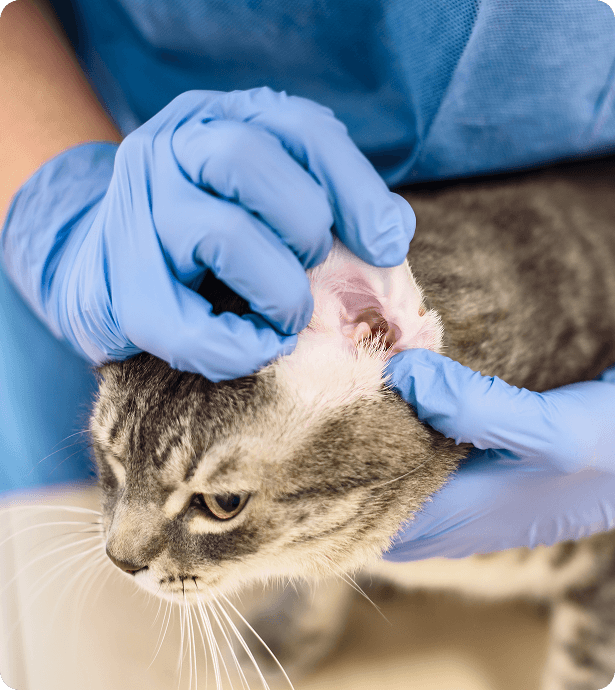
Ear infections are often linked to underlying allergies, especially in dogs. Pets with chronic ear problems may need more than repeated medication.
We evaluate the ear canal, identify signs of infection or inflammation, and address the factors contributing to recurring issues.
Skin Infection Treatment
Bacterial and yeast infections commonly develop when the skin’s natural barrier becomes compromised.
These infections can cause redness, itching, odor, hair loss, and discomfort. Prompt treatment helps clear the infection while reducing the risk of ongoing skin damage.
Hot Spot Treatment
Hot spots are areas of inflamed, irritated skin that can appear quickly and worsen within days.
Our veterinary team can identify the cause of the irritation, treat the affected area, and help prevent future flare-ups.
Common Skin Conditions We Treat
Dogs and cats experience many of the same dermatological issues, although symptoms can vary from pet to pet.
Conditions we commonly treat include:
- Environmental allergies
- Seasonal allergies
- Food allergies and sensitivities
- Allergic dermatitis (allergic skin inflammation)
- Flea allergy dermatitis
- Ear infections
- Bacterial skin infections
- Yeast infections
- Hot spots
- Hair loss and coat disorders
- Chronic itching
- Skin irritation and inflammation
Some pets require short-term treatment, while others benefit from ongoing allergy management. Regular veterinary check-ups help us monitor progress and make adjustments when needed.
How We Diagnose Skin and Allergy Conditions
The first step is a thorough physical examination and discussion about your pet’s symptoms, lifestyle, and medical history.
Depending on your pet’s condition, our veterinarian may recommend:
- Skin evaluations
- Ear examinations
- Cytology testing (microscopic evaluation of skin or ear samples)
- Parasite screening
- Allergy assessments
- Dietary trials for suspected food allergies
Skin problems can be complicated, but a methodical approach often leads to answers that help pets feel better and stay comfortable.
Personalized Treatment for Long-Term Relief
Every pet’s skin condition is different, which is why treatment plans are tailored to their specific needs. Depending on your pet’s diagnosis, recommendations may include prescription medications, medicated shampoos, ear treatments, parasite prevention, dietary changes, or long-term allergy management.
Regular veterinary check-ups help us monitor your pet’s progress, make adjustments when needed, and keep skin and allergy issues under control. Our goal is simple: help your pet feel more comfortable and spend less time scratching.
Rooted in Bethalto for Nearly 50 Years
For nearly 50 years, Bethalto Animal Clinic has cared for pets and the families who love them. As an independent, family-owned practice, we’ve built our reputation through word of mouth, referrals, and generations of clients who continue to trust us with their pets’ health.
If your dog or cat is struggling with allergies, itchy skin, or recurring ear infections, our veterinary team is here to help. Proudly serving Bethalto, Wood River, East Alton, Alton, Edwardsville, Bunker Hill, Roxana, and surrounding Madison County communities.
Answers for Itching, Ear Problems, and Skin Conditions | Call Us Today!
If your pet is scratching, licking, shaking their head, or struggling with recurring skin issues, it’s time to get to the root of the problem. Our veterinary team is here to help you find answers and relief.
Call (618) 377-2139 to schedule a dermatology and allergy appointment at Bethalto Animal Clinic.

• FAQs
Helpful Information for Pet Owners
Frequently Asked Questions about
Dermatology & Allergy Care
Why is my dog or cat constantly scratching?
Persistent scratching is often a sign of an underlying issue such as allergies, parasites, skin infections, or irritation. While occasional scratching is normal, frequent itching should be evaluated by a veterinarian to determine the cause.
Can allergies cause ear infections in pets?
Yes. Allergies are one of the most common causes of recurring ear infections in dogs and can also affect cats. Treating the ear infection is important, but identifying and managing the underlying allergy often helps prevent future problems.
How are food allergies diagnosed in pets?
Food allergies are typically diagnosed through a dietary trial using a veterinarian-recommended diet. This process helps determine whether certain ingredients are contributing to your pet’s symptoms.
What causes hot spots in dogs?
Hot spots often develop when a dog repeatedly licks, scratches, or chews an area of irritated skin. Allergies, flea bites, skin infections, and moisture trapped in the coat can all contribute to hot spot development.
When should my pet see a veterinarian for a skin problem?
It’s a good idea to schedule an appointment if you notice persistent itching, hair loss, redness, skin odor, recurring ear infections, rashes, or changes in your pet’s skin or coat. Early treatment can help prevent discomfort and secondary infections.